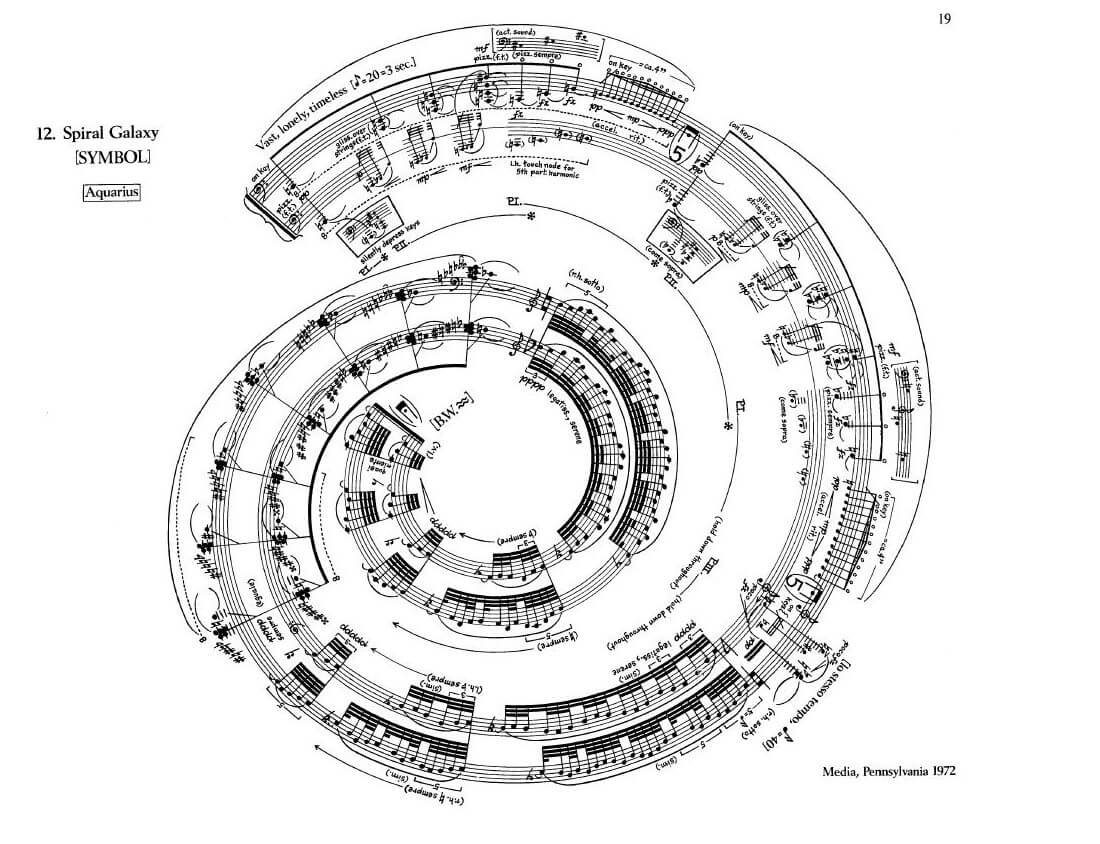
Excerpt from “Makrokosmos” (1972) by George Crumb In recent years, I have worked with graphic scores both with my conservatory students and in external workshops. This practice is an excellent introduction to contemporary music and a very engaging and enriching musical experience. GRAPHIC SCORES A graphic score is a textual representation of a work in … Leer más
Pedagogy and other stuff
In recent months, I have worked on, premiered and discovered some pieces for baritone saxophone that I have found interesting for students of Intermediate, Bachelor and Masters degrees as well as baritone saxophone players who want to go further with their repertoire. As usual, I haven’t repeated any composer in order to show a wider … Leer más
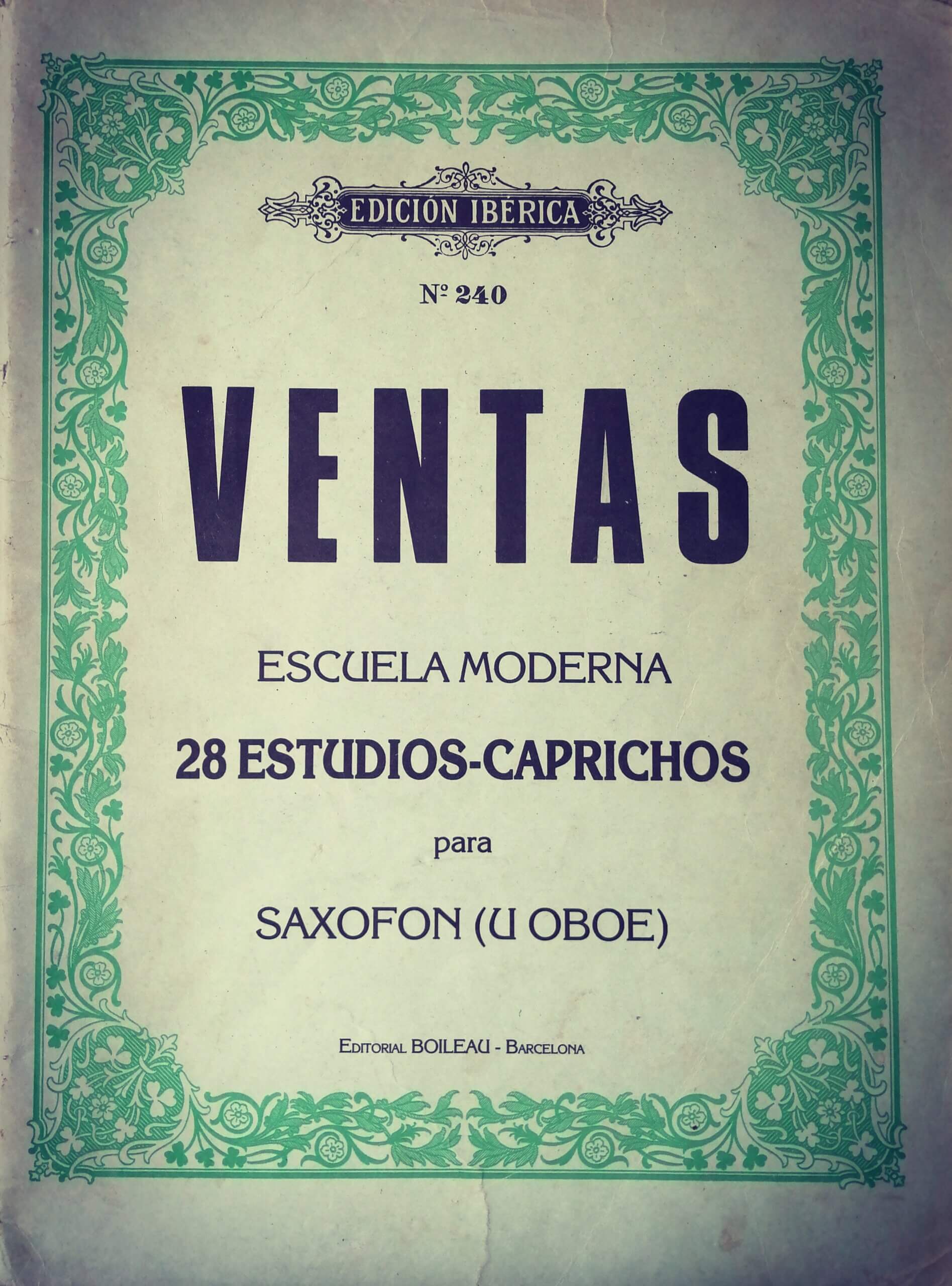
Cover of the printed edition in Editorial Boileau (Barcelona, CAT, ESP) These 28 ESTUDIOS-CAPRICHOS are based on the 28 Messiaen’s modes of limited transposition. Far from seeming technical studies, these pieces are very expressive (even the faster ones) and work very well as concert pieces. The Composer ADOLF VENTAS (Amposta, 1919 – Barcelona, 2014) … Leer más
Last February 15th, I did a workshop about introduction to the interpretation of contemporary music at the Music Conservatory of Sabadell (near Barcelona) to students from the end of elementary and academy levels. Since we didn’t have much time, and this kind of workshop requires continuity, I focused respectively on a guided collective improvisation and … Leer más
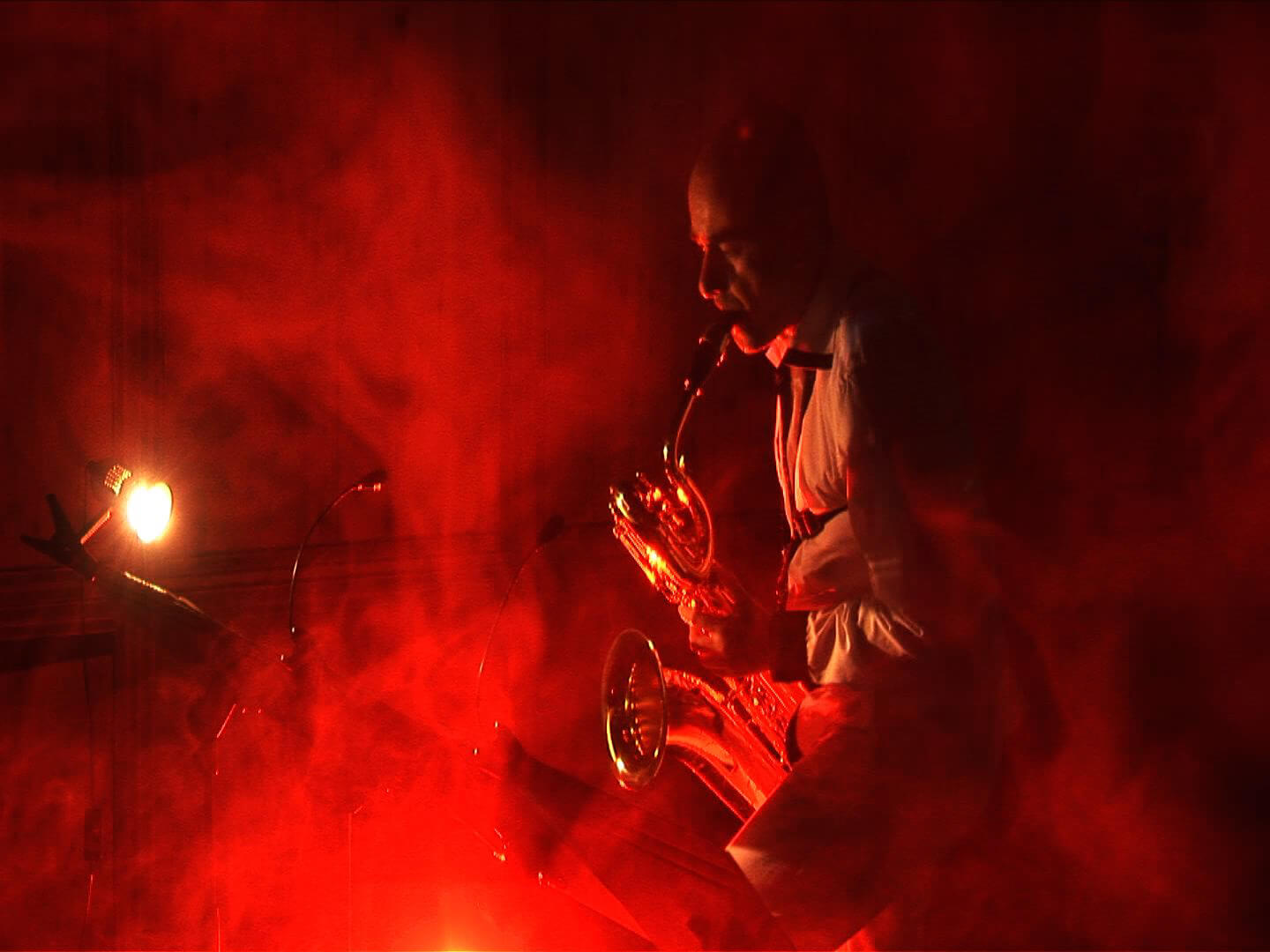
Picture: Daniel Miguel In recent years, I have worked on, premiered and discovered some pieces for baritone saxophones that I have found interesting for students of Intermediate, Bachelor and Masters degrees as well as baritone saxophone players who want to go further with their repertoire. I haven’t repeated any composer in order to show a … Leer más
In this article, I’d like to share my baritone saxophone altissimo fingering chart with you. The chart starts on high E (the 3rd line above the staff) and extends up to C in the next octave above altissimo C, including quarter tones. For almost every note, I have also included alternative fingerings and intonation adjustments. … Leer más
In this article, I would like to share my quarter-tone fingering chart for baritone saxophone. The chart starts on low C#/D♭ (below this, producing quarter tones with an acceptable result is practically impossible) and ascends in quarter-tone intervals up to high E. Although all notes are shown, fingerings are only provided for the quarter tones, … Leer más
In an article about getting started on the baritone saxophone, I explained why I think the intermediate years of music education can be a good time to start playing the baritone. Alongside individual lessons, wind bands or other instrumental ensembles and chamber music (for example, playing in a saxophone quartet) are ideal settings to discover … Leer más
When I first created this article, around 2013, my aim was to offer students at music conservatories and universities a guide to baritone saxophone repertoire suited to the technical and interpretative demands of Bachelor-level studies. In later revisions (2015, 2017 and 2020), I introduced a number of changes, with a particular focus on original repertoire … Leer más
Many baritone players asked me for advice on the repertoire for baritone saxophone. As it is impossible to know all repertoire (check out this post), I have a long list with the most interesting works in terms of pedagogy and interpretation that I studied or played once at least. Late 2020, I revised the … Leer más